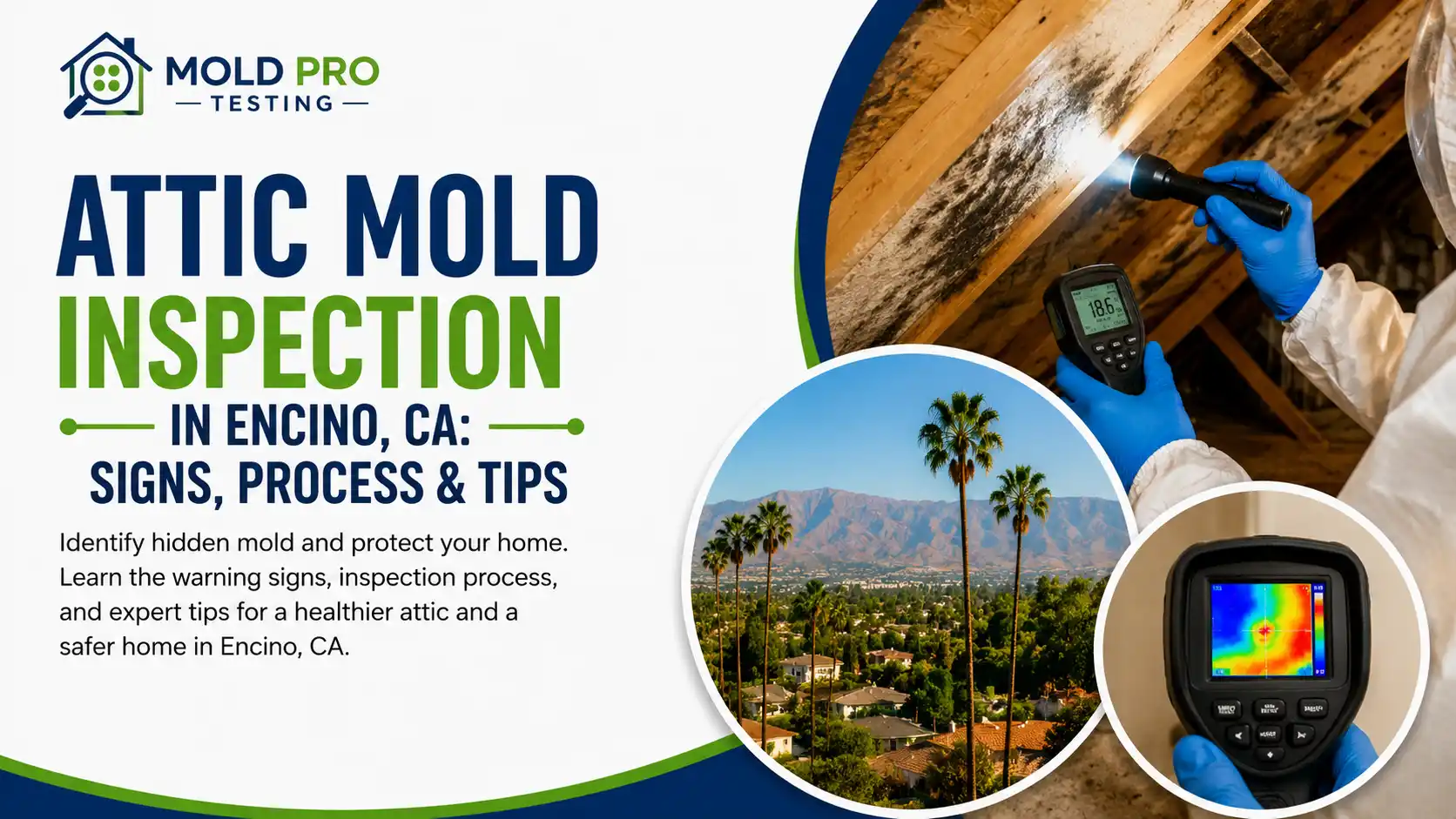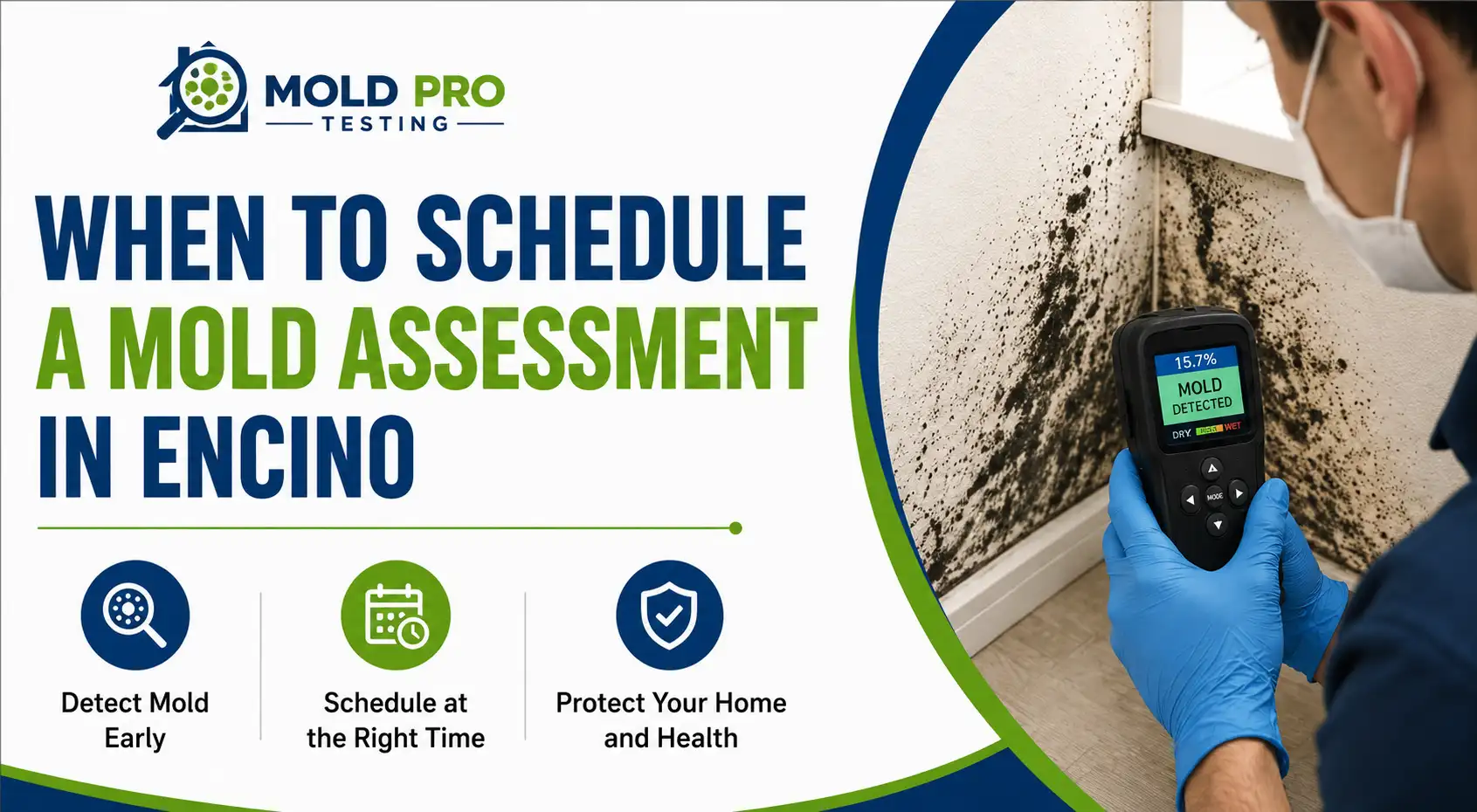
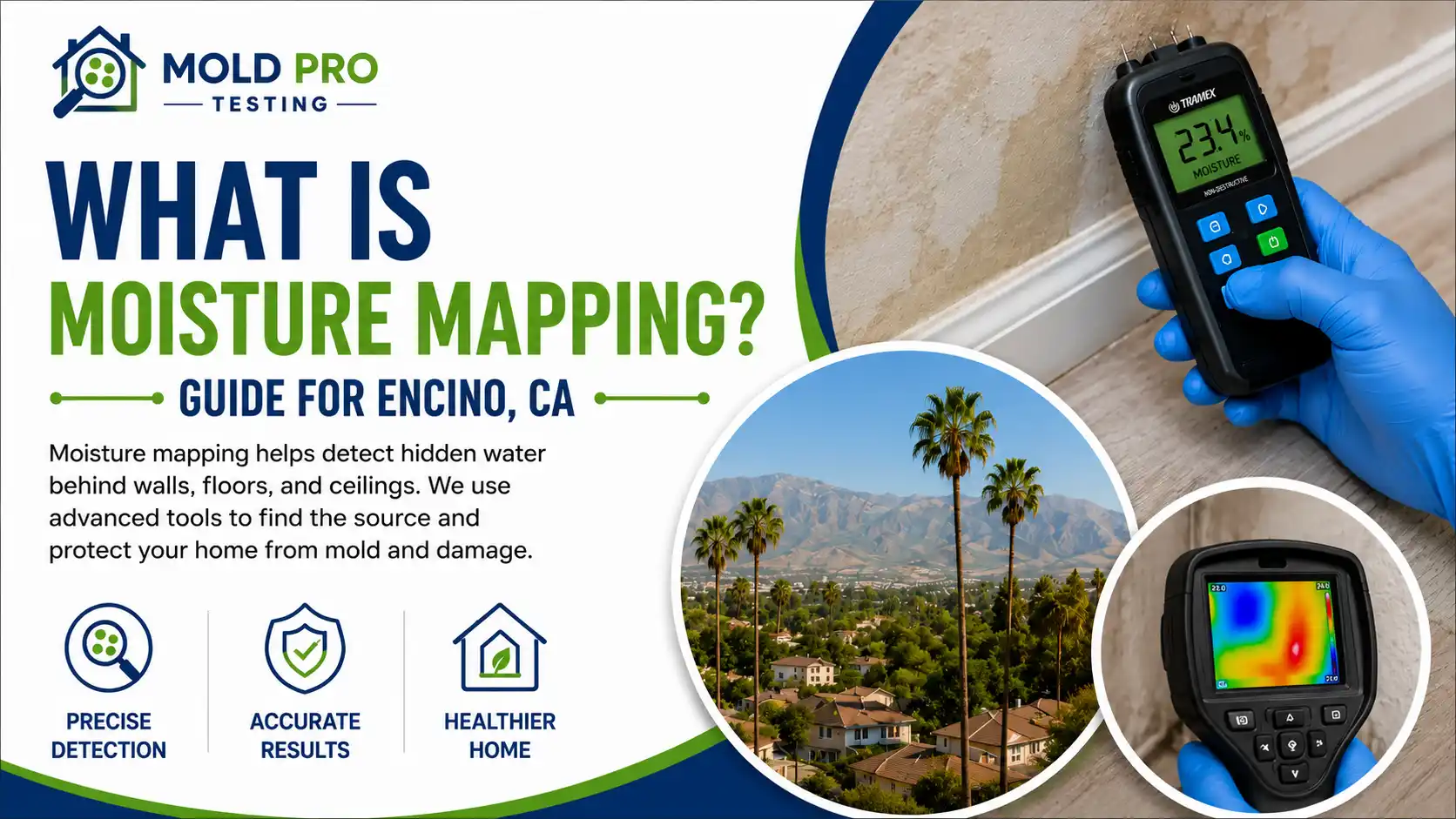

Moisture mapping is a diagnostic process that locates hidden water and dampness inside walls, floors, and ceilings using specialized meters and thermal imaging. It matters because it finds water problems before they turn into mold growth or structural damage. This guide explains how moisture mapping works, what it costs to ignore, and why Encino homeowners rely on it before and after mold testing.
You will learn how professionals map moisture in a home, what tools they use, and how to read the results. By the end, you will know when moisture mapping makes sense for your property and how it connects to mold prevention.
What Is Moisture Mapping?
Moisture mapping is the process of scanning a building’s surfaces to create a visual record of where water has entered or is trapped. Technicians use moisture meters, thermal cameras, and sometimes borescopes to check walls, subfloors, and ceilings without cutting into them. The result is a map that shows exactly where moisture levels are high, so repairs can target the actual source instead of guesswork. Mold Testing is often the next step homeowners schedule after noticing a stain or a musty smell, once moisture mapping has confirmed a problem area.
Moisture mapping is not the same as a general home inspection. A home inspector looks at visible conditions. Moisture mapping uses instruments to detect what the eye cannot see, including water trapped behind drywall or under flooring.
Why Does Moisture Mapping Matter?
Moisture mapping matters because hidden water damage causes more harm the longer it stays hidden. Mold can begin growing within 24 to 48 hours once a surface stays damp, and by the time stains or odors appear, the problem is often already established behind the wall.
In Encino, older homes and properties near landscaping irrigation face a higher risk of slow leaks around plumbing, windows, and roof lines. A property owner who catches a leak early through moisture mapping avoids the higher cost of drywall replacement, flooring repair, and mold remediation later. Reviewing the signs you need professional mold testing can help homeowners decide when moisture mapping should come first.
Moisture mapping also protects the value of a home. Undetected water damage can lower resale value and create disclosure issues during a sale.
How Does Moisture Mapping Work?
Moisture mapping follows a clear, repeatable process that keeps results accurate and easy to compare over time.
1. Visual walkthrough. The technician checks the property for visible signs of water damage, staining, or odor.
2. Moisture meter testing. A pin or pinless moisture meter measures moisture content in walls, floors, and ceilings.
3.Thermal imaging. Thermal moisture detection cameras identify temperature differences that often point to wet areas behind surfaces.
4. Data recording. Readings are logged and marked on a floor plan or photo map of the property.
5. Report delivery. The homeowner receives a clear report showing moisture levels by location, along with recommendations.
This process works well alongside standard testing methods, and understanding the difference between mold testing and inspection helps homeowners know which service to schedule first.
Benefits of Moisture Mapping
Moisture mapping gives homeowners and property managers clear, actionable information.
● Finds hidden leaks before they cause visible damage
● Confirms whether conditions support mold growth
● Provides documentation for insurance claims
● Helps prioritize which repairs to handle first
● Reduces guesswork during renovation or remodeling
● Supports faster, more accurate mold remediation planning
A property moisture inspection that includes mapping gives a far more complete picture than a visual check alone.
Common Problems and Mistakes
The most common mistake is skipping moisture mapping and relying only on visible signs. Water can travel along framing and pool far from where a stain finally appears on the surface. This means the visible damage is not always located at the actual leak source.
Another mistake is using a low quality moisture meter that gives inconsistent readings. Professional grade moisture meter testing produces reliable, repeatable numbers that technicians can compare over multiple visits. A moisture meter measures the percentage of water in a material relative to its dry weight, which allows technicians to track drying progress accurately.
Some property owners also wait too long to act on a known leak. Delaying moisture mapping after a known water event allows mold spores more time to establish colonies inside walls and flooring.
Moisture Mapping vs Mold Testing
Moisture mapping and mold testing answer different questions, and knowing which one you need saves time and money.
| Service | What It Answers | Best Used |
| Moisture mapping | Where is water hidden or trapped? | Before repairs or after a leak |
| Mold testing | Is mold present, and what type? | When mold is suspected or visible |
| Mold inspection | What is causing mold growth? | After testing confirms a mold issue |
Many Encino homeowners start with moisture mapping, then move to testing if readings show a pattern consistent with active or past water intrusion. The guide on mold inspection vs mold testing breaks this down further.
How to Choose the Right Moisture Mapping Service
Choose a provider that uses calibrated, professional grade equipment and explains the results in plain language. Ask whether the report includes a floor plan or photo map, since a list of numbers alone is hard to act on.
Experience matters. A technician who has handled residential moisture inspection across many home types in Encino can spot patterns that a general contractor might miss. Homeowners comparing options often check real reviews and questions from other homeowners, such as this discussion on moisture mapping, to understand what to expect from the process.
Mold Pro Testing’s structured approach to moisture assessment pairs meter readings with thermal imaging so homeowners get a complete, documented picture of their property before deciding on repairs.
Frequently Asked Questions
What is moisture mapping used for?
Moisture mapping is used to locate hidden water inside walls, floors, and ceilings before it causes visible damage or mold growth. It helps homeowners target repairs accurately and provides documentation for insurance or renovation planning.
How much does moisture mapping cost?
Moisture mapping cost depends on property size and the number of areas tested. Many providers offer it as part of a broader inspection package. Reviewing local mold testing cost information can help homeowners budget accurately.
Can moisture mapping detect mold?
Moisture mapping does not identify mold species directly. It shows where conditions are wet enough to support mold growth. Mold testing is the separate step needed to confirm whether mold is actually present.
How long does a moisture mapping inspection take?
Most residential moisture inspections take one to three hours, depending on the size of the property and the number of problem areas being checked. Larger commercial moisture inspections can take longer.
Is moisture mapping accurate?
Professional moisture mapping is highly accurate when performed with calibrated meters and thermal imaging by a trained technician. Results can vary if equipment is outdated or the technician lacks proper training, which is why choosing an experienced provider matters.
Do I need moisture mapping if I do not see any stains?
Yes. Hidden moisture often exists behind walls or under flooring long before any visible stain appears. Moisture mapping catches these problems early, which is especially useful after a known leak, flood, or plumbing repair.
Conclusion
Moisture mapping gives homeowners a clear, documented view of hidden water problems before they turn into costly mold or structural damage. It works best as an early step, before or alongside mold testing, so repairs target the real source of the issue. If you suspect a leak or want to confirm your Encino property is dry and safe, contact Mold Pro Testing to schedule a professional moisture mapping and mold assessment.