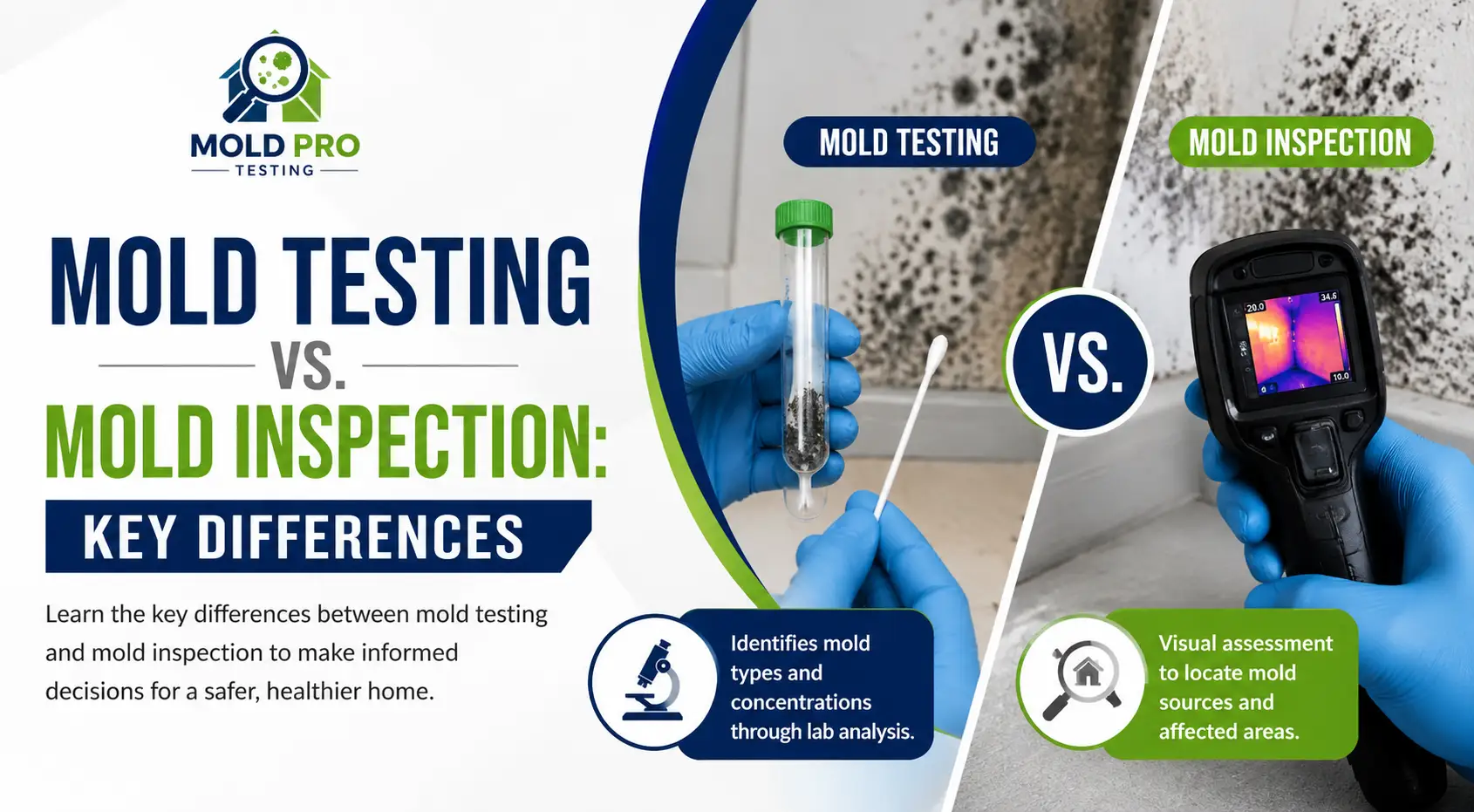

Mold inspection is a visual and physical evaluation of your home to find signs of mold and moisture problems, while mold testing uses lab samples to confirm the exact type and concentration of mold present. Mold Pro Testing serves Encino homeowners who need to know which service actually solves their problem, since the two are often confused but answer very different questions. This guide breaks down exactly what each service involves and when you need one, the other, or both.
What Is Mold Inspection?
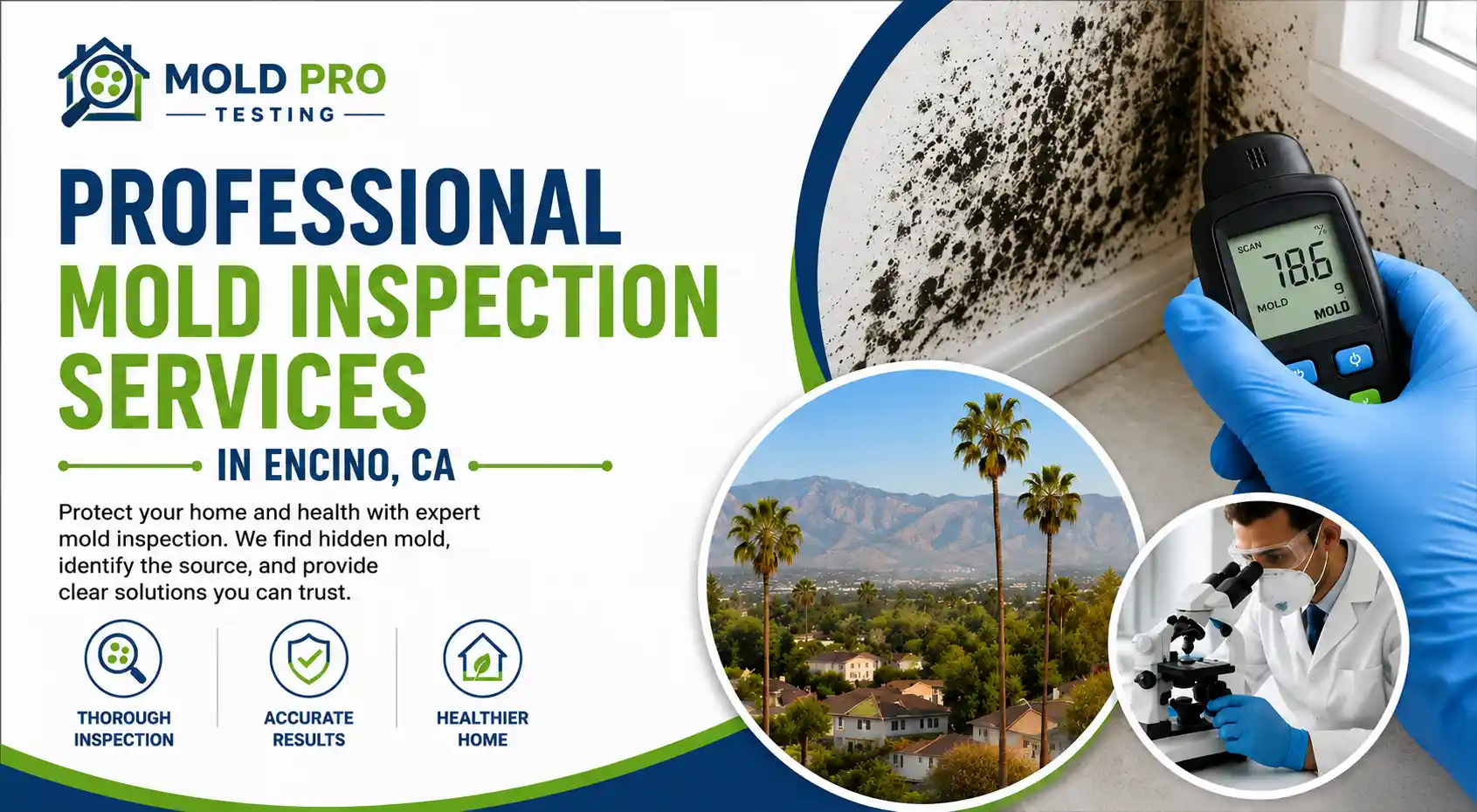
Mold inspection is a visual and physical assessment of a property to identify visible mold, moisture sources, and conditions that could lead to mold growth. An inspector checks areas prone to moisture, like bathrooms, attics, crawl spaces, and around windows, using tools such as moisture meters and sometimes infrared cameras to spot hidden dampness behind walls. Inspection answers the question: is there a mold or moisture problem in this home?
What Is Mold Testing?
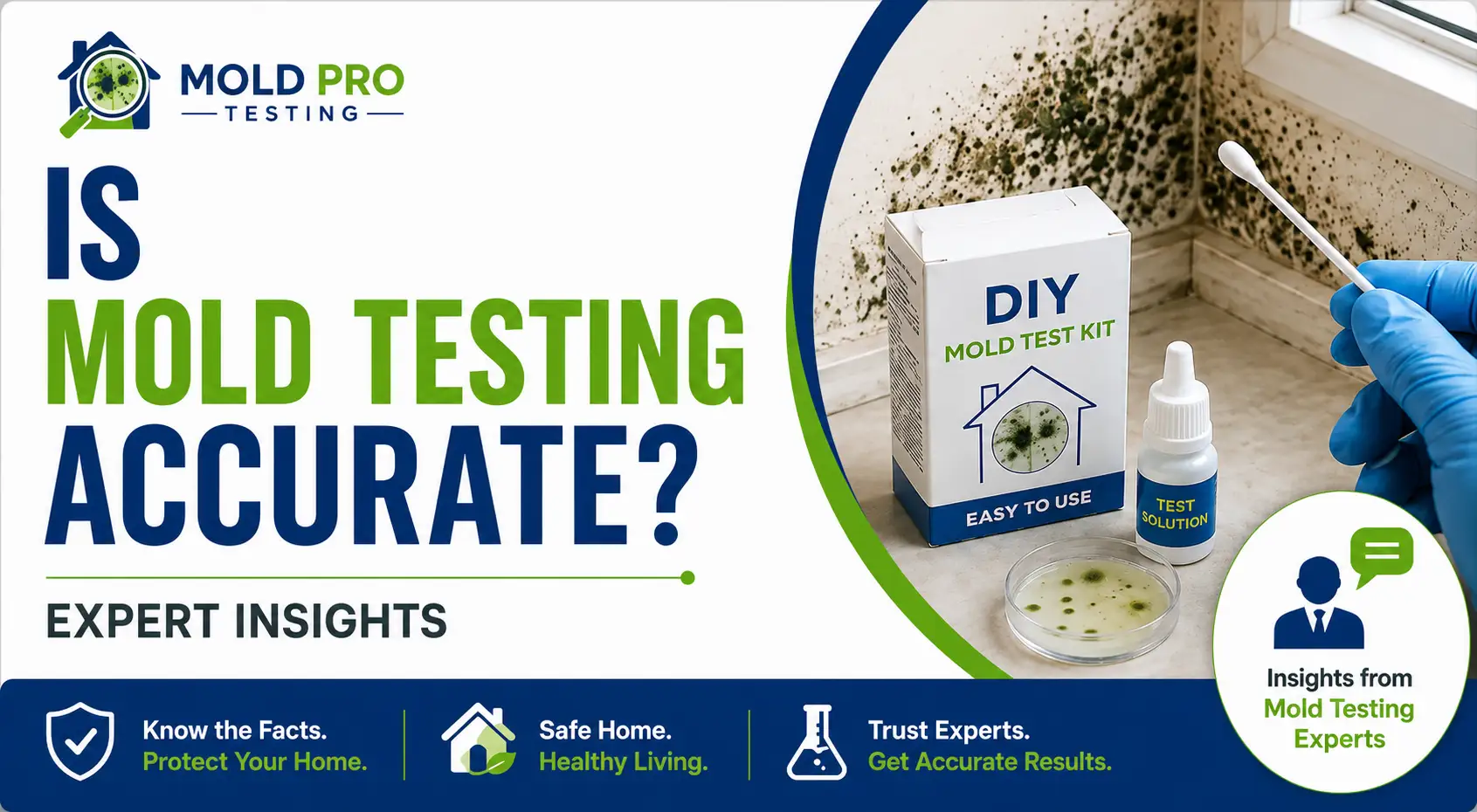
Mold testing collects air or surface samples and sends them to a certified lab to identify the specific mold species and measure spore concentration. Testing answers a different question than inspection: what type of mold is this, and how much of it is actually present? Lab results typically take 2 to 5 business days to come back, depending on the lab and sample type.
Why the Difference Matters
This difference matters because choosing the wrong service wastes money and doesn’t solve the actual problem. If mold is already visible, testing to identify the species rarely changes the remediation plan; you already know mold needs to be removed. Encino’s warmer, humid stretches during summer months also create favorable conditions for hidden mold growth behind walls, which makes inspection the right first step for homes without visible mold but ongoing musty odors or allergy symptoms.
How Mold Inspection and Testing Work Together
Mold Pro Testing typically starts with inspection, then adds testing only when it will change the outcome.
• Inspection identifies visible mold, moisture sources, and problem areas
• If mold is visible, remediation can often proceed based on inspection alone
• Testing is added when mold isn’t visible but symptoms or musty odors persist
• Testing is also used for post-remediation verification, confirming spore counts have returned to normal
Homeowners noticing early warning signs should review these signs you need professional mold testing to determine whether inspection alone will answer their concerns or if lab testing is the better next step.
Benefits of Mold Inspection
• Lower cost than lab testing
• Faster results, often same-day
• Identifies the moisture source causing the problem, not just the mold itself
• Sufficient for most cases where mold is already visible
An Encino mold assessment gives homeowners a clear picture of both visible mold and the underlying moisture issues that need fixing to prevent it from coming back.
Benefits of Mold Testing
• Confirms the specific type of mold present
• Useful for real estate transactions requiring documented lab results
• Verifies remediation success after mold removal
• Helps when symptoms exist but no mold is visible
Common Mistakes Homeowners Make
The most common mistake is paying for mold testing when mold is already visible, when the money would be better spent on remediation instead. Another common mistake is skipping inspection entirely and assuming a musty smell means expensive lab work is automatically required.
• Assuming testing is always necessary before remediation can begin
• Choosing a company that only offers testing, not remediation guidance
• Ignoring the original moisture source that caused mold in the first place
• Not asking whether post-remediation testing is included in the service
Understanding what causes mold in homes and how to prevent it helps homeowners address the root moisture problem, not just the visible symptom. General background on mold biology and common indoor mold species is available on Mold, which explains why certain mold types thrive in specific moisture and temperature conditions.
Mold Inspection and Testing Cost Factors
Cost depends mainly on property size, whether lab testing is included, and how many samples are needed.
| Factor | Mold Inspection | Mold Testing |
| Typical cost | Lower, flat-rate visual assessment | Higher, priced per sample plus lab fees |
| Turnaround | Same-day results | 2 to 5 business days for lab results |
| Best for | Visible mold or musty odors | No visible mold, or documentation needed |
| Property size impact | Cost scales with square footage | Cost scales with number of samples taken |
A detailed breakdown of local pricing is available in this Encino mold testing cost guide, which covers what affects pricing for both inspection and lab-based testing services.
How to Choose the Right Service for Your Situation
Choose mold inspection first if you can see mold, smell a musty odor, or notice water damage, since inspection identifies both the mold and its underlying cause. Choose mold testing if you have unexplained allergy symptoms with no visible mold, or if you need documented lab results for a real estate transaction.
• Start with inspection unless you already know you need lab documentation
• Ask whether the company offers both services or only one
• Confirm whether post-remediation testing is included after mold removal
• Get a written report regardless of which service you choose
Mold Pro Testing offers mold inspection services in Encino, CA designed to answer this exact question during the initial visit, so homeowners aren’t left guessing which service they actually need. Many people also browse Quora for firsthand accounts of when testing was worth the extra cost versus when inspection alone solved the problem.
Frequently Asked Questions
Do I need mold testing if I can already see mold?
No, if mold is already visible, testing to identify the species rarely changes the remediation plan. An inspection is usually enough to confirm the extent of the problem and plan for removal.
How long does mold testing take?
Mold testing results typically take 2 to 5 business days once samples reach the lab. Inspection results, by contrast, are usually available the same day as the visit.
Is mold inspection or mold testing cheaper?
Mold inspection is generally cheaper than mold testing, since testing involves lab analysis fees on top of the on-site visit. Inspection alone is often sufficient when mold is already visible.
Do I need mold testing when selling my home?
Mold testing is often recommended during real estate transactions to provide documented lab results for buyers or their lenders. An inspection alone may not satisfy documentation requirements some buyers or agents request.
What happens after mold testing confirms a problem?
After testing confirms mold, the next step is professional remediation to remove the mold and address the moisture source causing it. Post-remediation testing can then confirm spore counts have returned to a normal range.
Final Thoughts
Mold inspection identifies visible mold and moisture problems, while mold testing confirms the exact species and concentration through lab analysis. Most Encino homeowners only need inspection, with testing reserved for cases without visible mold or when documentation is required. Mold Pro Testing can help you determine exactly which service fits your situation before you spend a dollar on either one.