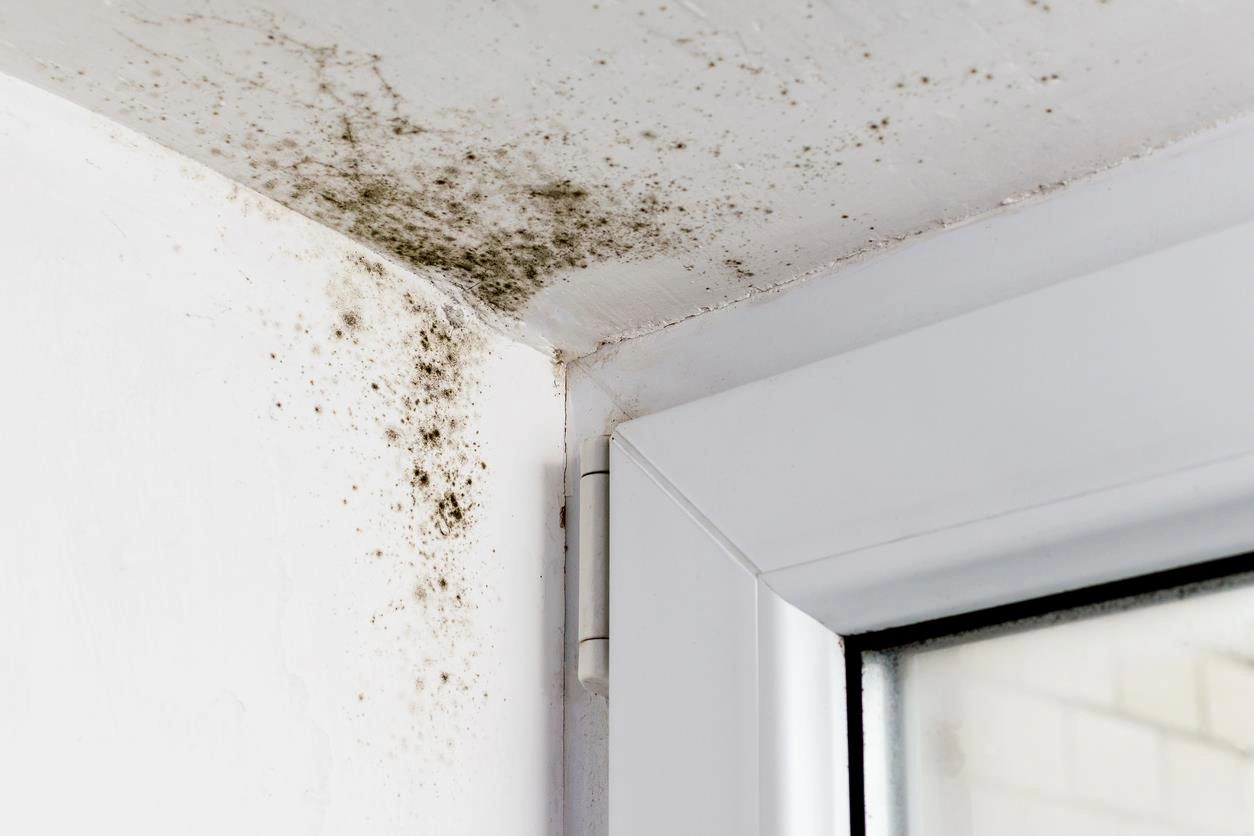

Mold is a common problem in many homes, especially in areas with high humidity or poor ventilation. It not only damages property but can also pose serious health risks if left untreated. Understanding what causes mold and how to prevent it effectively is essential for maintaining a safe and healthy indoor environment.
One of the primary causes of mold growth is excess moisture. Mold thrives in damp conditions, making areas like bathrooms, kitchens, basements, and crawl spaces particularly vulnerable. Water leaks from pipes, roofs, or appliances can create hidden moisture that encourages mold growth behind walls, under flooring, or in ceilings. Even small leaks, if ignored, can lead to significant mold issues over time.
Humidity is another major factor that contributes to mold development. When indoor humidity levels rise above 60%, it creates the perfect environment for mold spores to grow and spread. Poor ventilation often worsens this issue, especially in enclosed spaces where air circulation is limited. Without proper airflow, moisture becomes trapped, allowing mold to develop quickly.
Condensation also plays a key role in mold formation. This typically occurs when warm air meets cold surfaces, such as windows, walls, or pipes. The resulting moisture buildup provides an ideal breeding ground for mold. Homes with inadequate insulation are more likely to experience condensation-related mold problems.
Flooding and water damage are among the most serious causes of mold. Whether from natural disasters or plumbing failures, water intrusion can saturate building materials and create widespread mold growth within 24 to 48 hours. Immediate action is critical in such situations to prevent long-term damage and contamination.
To prevent mold effectively, controlling moisture is the most important step. Fix any leaks as soon as they are detected and regularly inspect areas prone to water damage. Proper ventilation is equally essential. Use exhaust fans in bathrooms and kitchens, and ensure that air can circulate freely throughout your home.
Maintaining indoor humidity levels between 30% and 50% can significantly reduce the risk of mold. Dehumidifiers and air conditioners can help regulate moisture levels, especially in humid climates. Additionally, improving insulation can prevent condensation by keeping surfaces at a consistent temperature.
Regular cleaning and maintenance also play a crucial role in mold prevention. Keep surfaces dry, clean spills immediately, and avoid leaving damp materials like towels or carpets unattended. Using mold-resistant products during construction or renovation can provide an extra layer of protection.
Professional mold inspection and testing can help identify hidden mold problems before they become severe. Experts use advanced tools to detect moisture and mold in hard-to-reach areas, ensuring accurate results and effective solutions.
In conclusion, mold growth is primarily caused by moisture, humidity, poor ventilation, and water damage. By taking proactive steps such as controlling moisture, improving airflow, and maintaining your home properly, you can prevent mold effectively and protect both your property and your health.