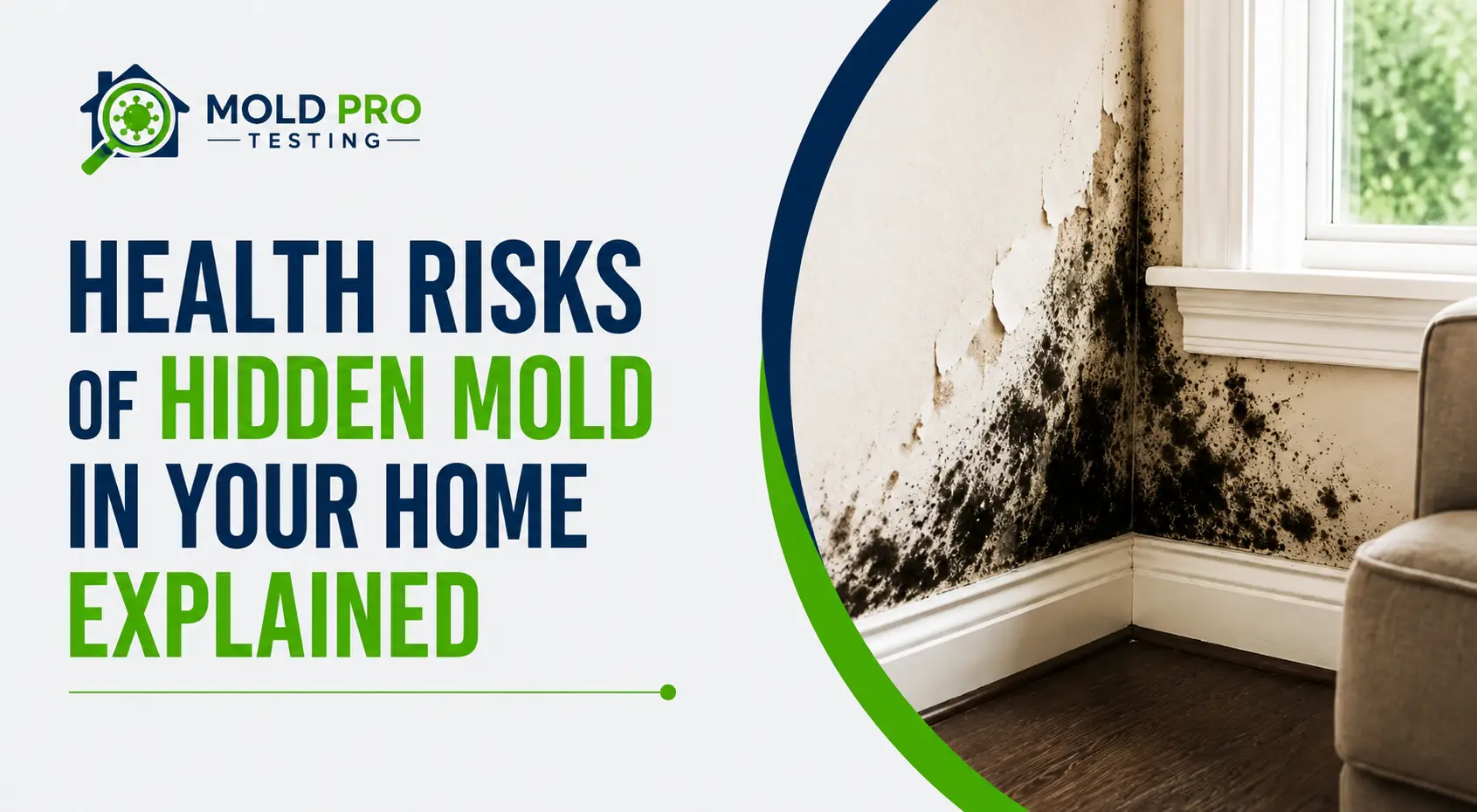

Hidden mold in your home can trigger allergies, asthma attacks, and ongoing respiratory irritation, especially in children, older adults, and people with weak immune systems. Because it grows out of sight, you may feel the health effects before you ever see the mold. This guide from Mold Pro Testing explains the real health risks, warning signs, and how professional mold inspection in Encino, CA protects your family in 2026.
What Is Hidden Mold in Your Home?
Hidden mold grows in places you cannot easily see, such as behind walls, under floors, or inside HVAC systems. It thrives in dark, damp areas where moisture builds up. Unlike visible mold on a bathroom wall, hidden mold can spread for months before anyone notices, which may increase the mold testing cost if the affected area is difficult to locate or access.
What Are the Health Risks of Hidden Mold?
The main health risks of hidden mold are allergic reactions, asthma flare-ups, and respiratory problems. Mold releases tiny spores into the air. When you breathe them in, they can irritate your lungs, nose, and throat. This table shows the most common health effects:
| Health Effect | Common Symptoms | Who Is Most Affected |
| Allergic reactions | Sneezing, runny nose, itchy eyes | People with mold allergies |
| Asthma triggers | Coughing, wheezing, tight chest | Children and asthma sufferers |
| Respiratory irritation | Sore throat, congestion, sinus issues | Anyone with long exposure |
| Skin and eye irritation | Rashes, redness, watery eyes | Sensitive individuals |
| Weakened immunity risk | More frequent infections | Elderly and immune-compromised |
These effects vary from person to person. According to research on mold health issues, sensitive groups react more strongly, while others may feel only mild symptoms. If your family has ongoing symptoms with no clear cause, hidden mold could be the reason.
Why Hidden Mold Is a Concern in Encino Homes
Encino homes face real mold risks from plumbing leaks, roof damage, and Southern California humidity. Many properties in the San Fernando Valley are older, with aging pipes and past water damage. These conditions create the moisture that hidden mold needs to grow.
Water damage is the biggest trigger. Even a small, slow leak can feed mold behind drywall for months. Learning what causes mold in homes and how to prevent it helps you stop the problem before it affects your health.
Where Does Hidden Mold Usually Grow?
Hidden mold grows anywhere moisture collects out of sight. Common spots include:
• Behind walls and wallpaper near leaks
• Under carpets, floorboards, and sinks
• Inside HVAC systems and air ducts
• Around windows with condensation
• In attics, crawl spaces, and basements
Air ducts spread spores throughout the house. That is why indoor air quality testing and moisture detection services are key parts of a complete mold inspection in Encino, CA.
Warning Signs You May Have Hidden Mold
Watch for these signs of mold growth even when you cannot see any mold:
• A musty, earthy smell that will not go away
• Water stains or discoloration on walls or ceilings
• Peeling paint, bubbling, or warped surfaces
• Allergy symptoms that improve when you leave home
• Past water damage or high indoor humidity
Symptoms that come and go are a strong clue. Reviewing the warning signs you need mold testing helps you decide when it is time to call a professional.
How Professional Hidden Mold Detection Works
Certified mold inspectors use tools and testing to find mold you cannot see. The process is thorough and safe:
1. Visual inspection. Inspectors check high-risk areas for stains, moisture, and damage.
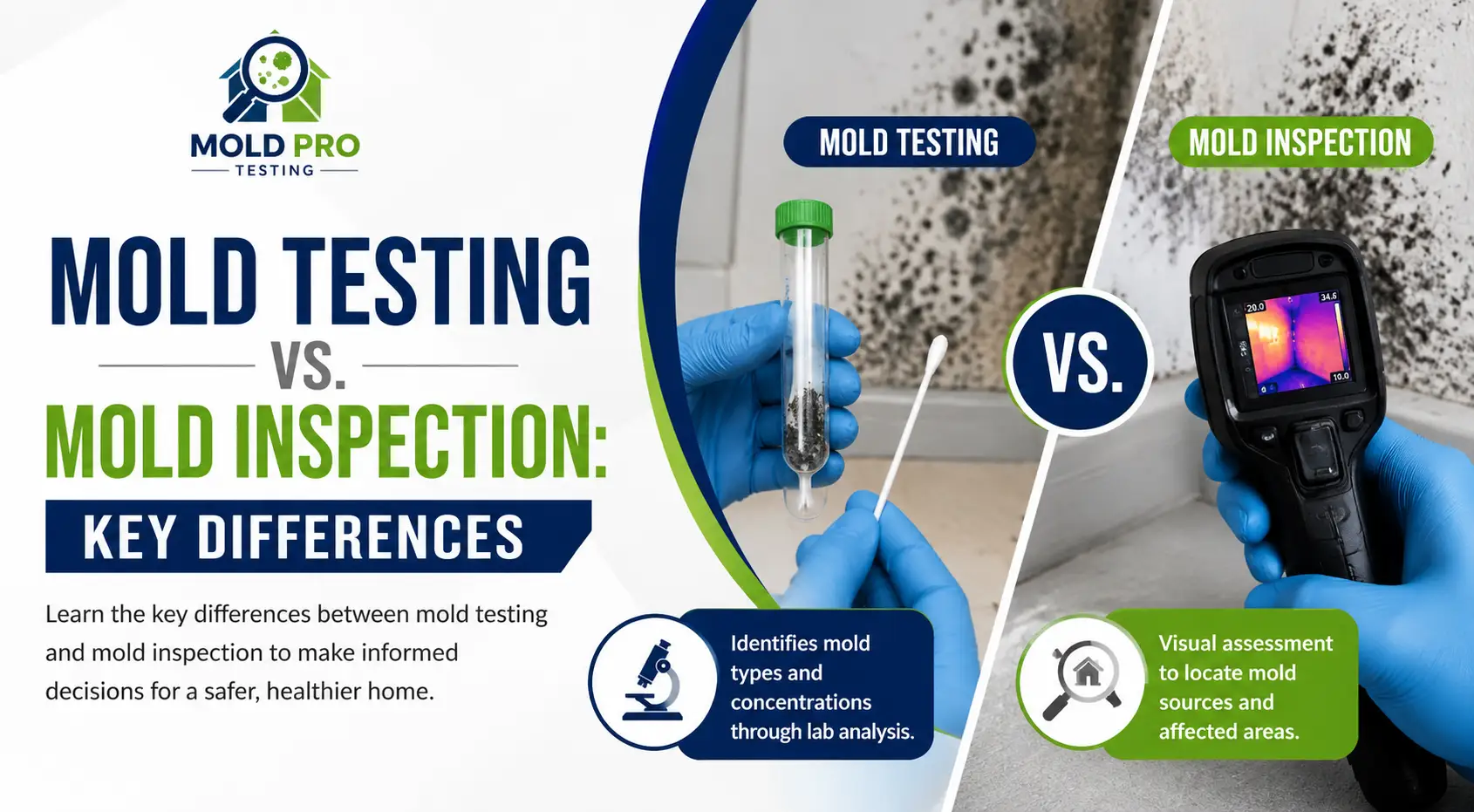
2. Moisture detection. Meters and thermal cameras find hidden dampness behind surfaces.
3. Air and surface sampling. Samples are tested in a lab to confirm mold type and levels.
4. Mold damage assessment. A report explains what was found and what to do next.
At-home kits often miss hidden problems. This is why the accuracy of DIY mold testing falls short of professional mold testing done by trained inspectors.
Who Is Most at Risk From Hidden Mold?
Some people react to mold more than others. Those most at risk include infants and young children, older adults, pregnant women, people with asthma or allergies, and anyone with a weakened immune system. For these groups, early hidden mold detection is especially important to protect their health.
Homeowners often share their concerns and questions in the mold, where many describe how testing gave them answers and peace of mind after months of unexplained symptoms.
How Much Does a Mold Inspection Cost?
Mold inspection cost depends on your home size, the number of areas tested, and whether lab samples are needed. A basic residential mold inspection costs less than full testing with air sampling. Getting a clear quote first helps you plan.
Cost should be weighed against your health and home value. See a breakdown of mold testing cost in Encino to understand what affects the final price.
Frequently Asked Questions
Can hidden mold make you sick?
Yes. Hidden mold can make you sick by releasing spores that trigger allergies, asthma, and respiratory irritation. Common symptoms include coughing, sneezing, congestion, and itchy eyes. Children, older adults, and people with weak immune systems are most affected. If symptoms improve when you leave home, hidden mold may be the cause.
How do I know if I have hidden mold behind walls?
Look for a musty smell, water stains, peeling paint, or allergy symptoms that ease when you leave home. Hidden mold behind walls often has no visible signs. Certified mold inspectors use moisture meters and air sampling to confirm it. Professional mold testing is the only reliable way to detect mold you cannot see.
Is black mold more dangerous than other mold?
Black mold can cause stronger reactions in sensitive people, but many mold types affect health. The color alone does not confirm the risk. A black mold inspection with lab testing identifies the exact type and level. This helps you understand the real risk and choose the right mold removal services for your home.
Should I test for mold or remove it first?
Test for mold first. A professional mold inspection finds the source, type, and spread before any removal begins. This prevents wasted work and missed areas. After testing, mold remediation services can safely remove the mold. Testing first also confirms the problem is fully solved once remediation is complete.
How often should I get a mold inspection?
Get a mold inspection after any water damage, leak, or flooding, and every few years for older homes. Encino homes with past moisture issues benefit from regular checks. Home mold testing is also smart before buying or selling a property. Routine inspections catch hidden mold early, before it spreads or harms your health.
Conclusion
Hidden mold in your home is a real health risk that can trigger allergies, asthma, and breathing problems long before you see it. Because it hides behind walls and under floors, professional detection is the safest way to protect your family. If you notice musty smells, past water damage, or unexplained symptoms in Encino, Mold Pro Testing provides certified mold inspection and testing you can trust. Schedule your hidden mold inspection today to keep your home and family safe in 2026.