
When dealing with potential mold issues in your home or business, many property owners often confuse mold inspection with mold testing. While both services are essential for identifying and addressing mold problems, they serve different purposes. Understanding the difference between mold inspection and mold testing can help you choose the right solution for your situation.
What Is Mold Inspection?
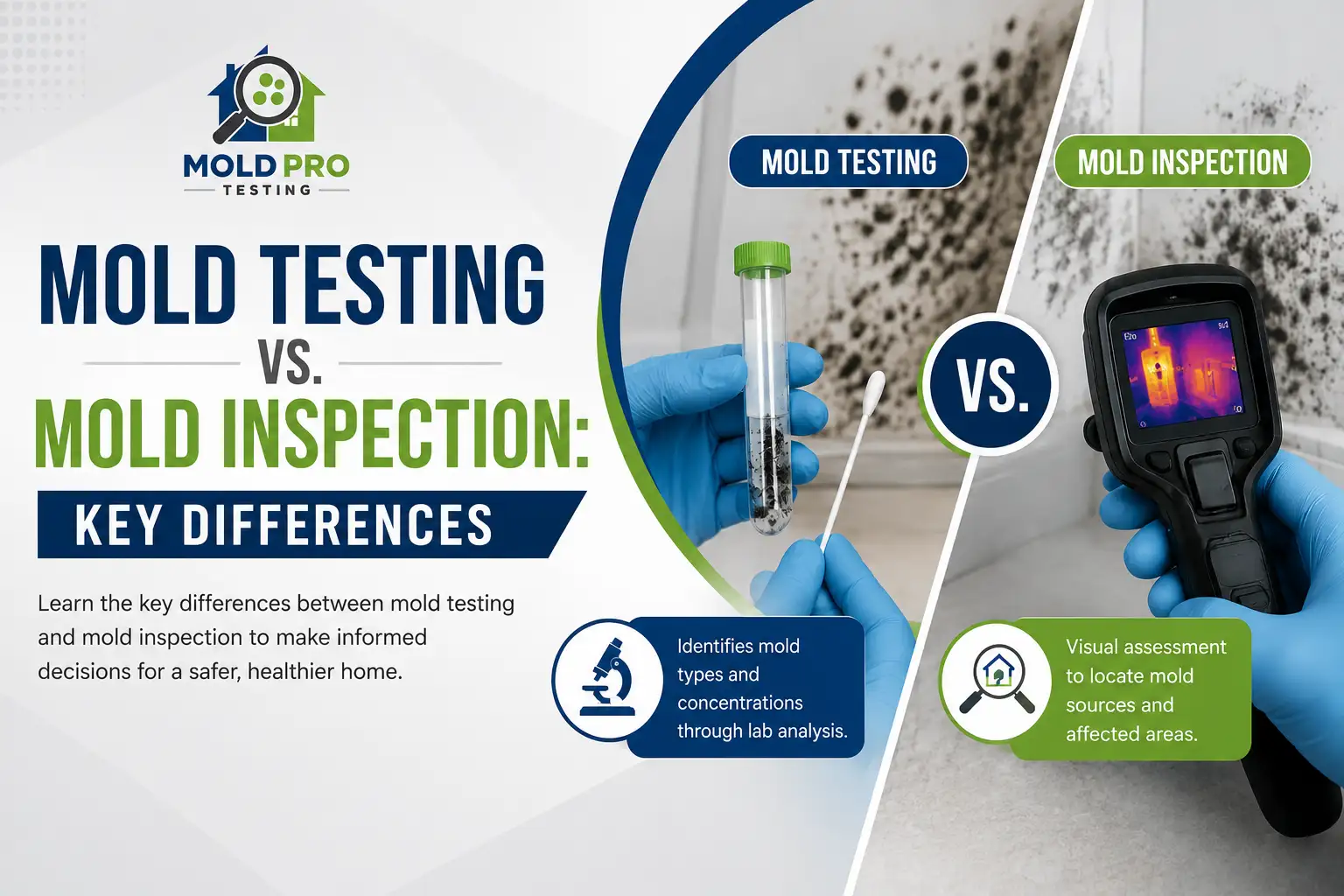
Mold inspection is a comprehensive visual assessment of your property to identify signs of mold growth and moisture issues. During a mold inspection, professionals examine areas that are prone to mold, such as basements, attics, bathrooms, kitchens, and crawl spaces.
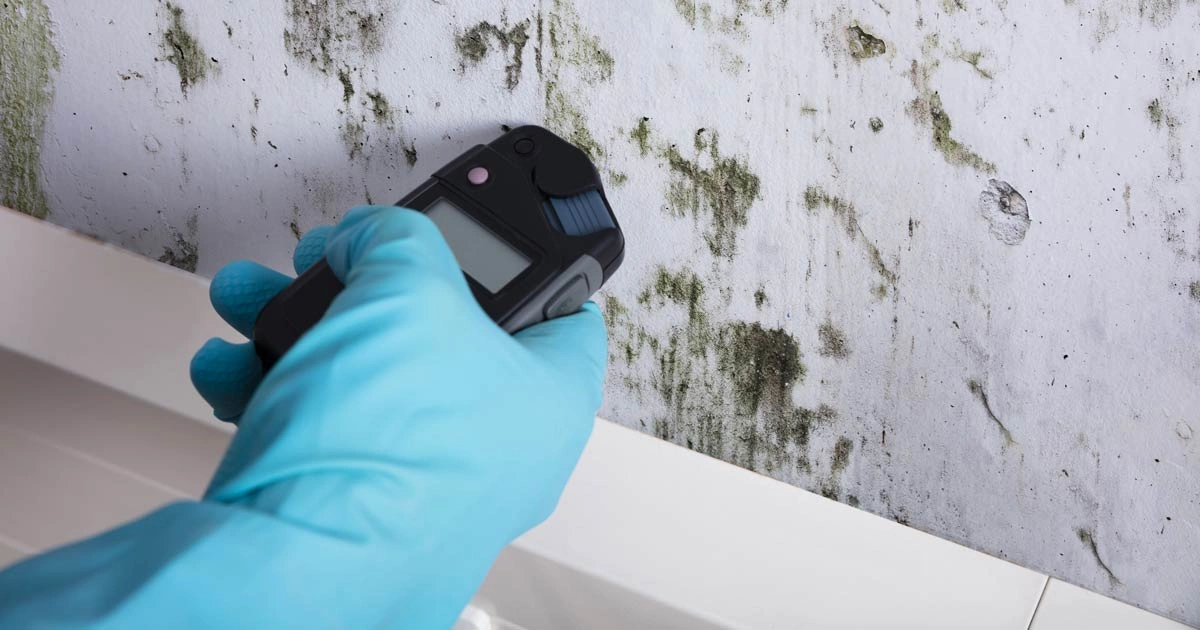
Inspectors use advanced tools like moisture meters, infrared cameras, and humidity sensors to detect hidden moisture problems that may lead to mold growth. The goal of mold inspection is to locate the source of moisture and identify visible or suspected mold areas.
A mold inspection typically includes:
- Visual examination of affected areas
- Identification of water damage or leaks
- Detection of hidden moisture
- Recommendations for remediation
What Is Mold Testing?
Mold testing involves collecting samples from the air or surfaces to determine the type and concentration of mold present. These samples are sent to a certified laboratory for analysis.
There are different types of mold testing, including air quality testing, surface (swab) testing, and bulk material testing. Mold testing is especially useful when mold is not visible but suspected due to musty odors or health symptoms.
Mold testing helps:
- Identify specific mold species
- Measure spore levels in the air
- Confirm the presence of toxic molds like black mold
- Provide documented lab results
Key Differences Between Mold Inspection and Mold Testing
The main difference lies in their purpose and process. Mold inspection focuses on identifying mold growth and moisture sources, while mold testing confirms the type and level of mold through laboratory analysis.
Mold inspection is usually the first step in detecting a problem, while mold testing provides scientific data to support findings and guide remediation.
Which One Do You Need?
In many cases, both mold inspection and mold testing are recommended for a complete evaluation. If you see visible mold or have experienced water damage, an inspection can help locate the issue quickly. If you want to know the exact type of mold or need documentation for insurance or legal purposes, testing is the better option.
For property buyers, landlords, and business owners, combining both services ensures accurate results and peace of mind.
Conclusion
Understanding the difference between mold inspection and mold testing is crucial for protecting your property and health. While inspection helps identify the source and extent of mold growth, testing provides detailed insights into the type and severity of contamination.
If you suspect mold in your home or business, it’s best to consult professionals who can perform both services and recommend the right solution. Early detection can save you time, money, and prevent serious health risks.